
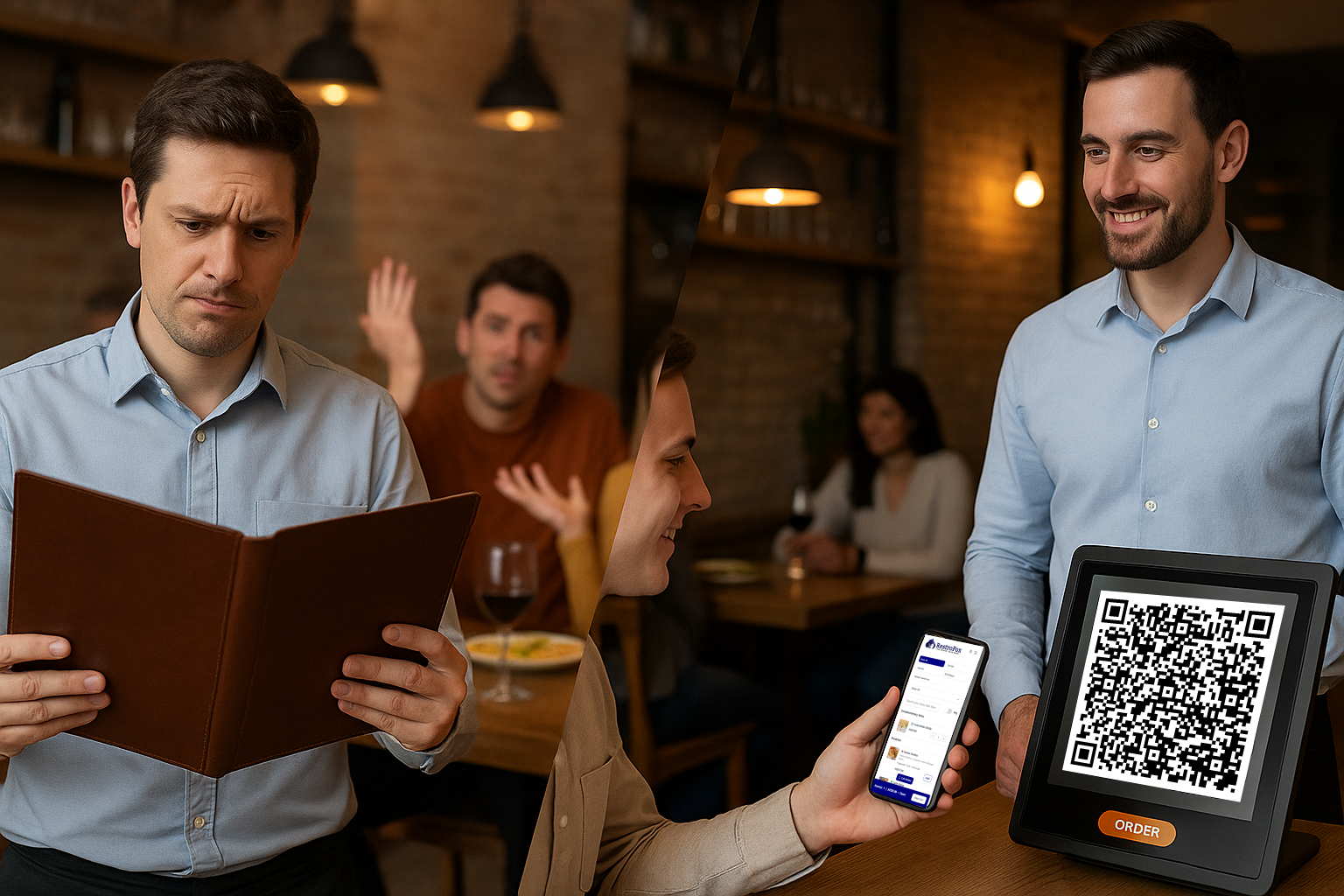
The restaurant industry has undergone a dramatic transformation in recent years, with technology playing a pivotal role in enhancing operational efficiency and customer satisfaction. Modern dining establishments are increasingly adopting advanced solutions to streamline their operations, and the integration of digital ordering capabilities has become essential for staying competitive in today’s market.
Table of Contents:
Understanding Modern Restaurant Technology
A restaurant management system serves as the backbone of any successful food service operation. It combines multiple functionalities into a single platform, enabling owners to manage everything from inventory and staff scheduling to sales tracking and customer relationships. When paired with contactless ordering options, these systems create a seamless experience for both staff and diners.
The Benefits of POS Systems in Restaurants
Implementing a comprehensive point of sale solution brings numerous advantages to restaurant operations. First and foremost, it significantly reduces order errors by eliminating miscommunication between servers and kitchen staff. Digital orders are transmitted instantly and accurately, ensuring that customers receive exactly what they requested.
Speed is another critical benefit. Traditional paper-based ordering can create bottlenecks during peak hours, but modern systems process transactions in seconds. This efficiency translates directly into higher table turnover rates and increased revenue potential.
Inventory management becomes remarkably simpler with automated tracking. The system monitors stock levels in real-time, alerting managers when items are running low and providing valuable insights into which menu items are most profitable. This data-driven approach helps reduce waste and optimize purchasing decisions.
Financial reporting is streamlined through automated sales tracking and analytics. Restaurant owners can access detailed reports showing daily sales, peak hours, popular dishes, and staff performance—all at their fingertips. This information is invaluable for making informed business decisions.
QR Code for Restaurant Menu: A Game-Changer
The introduction of QR code for restaurant menu technology has revolutionized how customers interact with dining establishments. Diners simply scan a code with their smartphones to access the complete menu, browse options, and place orders directly from their table.
This contactless approach offers multiple advantages. It eliminates the need for physical menus, which require regular printing, updating, and sanitizing. Menu changes can be implemented instantly across all tables, allowing restaurants to adjust prices, add specials, or remove unavailable items in real-time.
Customer empowerment is another significant benefit. Guests can browse the menu at their own pace, view detailed descriptions and images, and even see nutritional information without feeling rushed. This enhanced experience often leads to higher order values as customers have more time to explore additional items.
Finding a Cheap POS System for Restaurant Operations
Budget-conscious restaurant owners often worry that advanced technology comes with prohibitive costs. However, a cheap POS system for restaurant use doesn’t mean compromising on essential features. Many affordable solutions offer cloud-based platforms that eliminate expensive hardware requirements and reduce upfront investments.
Subscription-based pricing models make sophisticated technology accessible to establishments of all sizes. These systems typically include regular updates, technical support, and scalability options that allow businesses to add features as they grow.
When evaluating cost-effective options, consider the total value proposition. A system that seems inexpensive initially but lacks essential features may cost more in the long run through lost efficiency and missed opportunities. Look for solutions that balance affordability with robust functionality.
Comprehensive Restaurant Management System Features
An effective restaurant management system integrates multiple operational aspects into one cohesive platform. Beyond processing payments, it should handle reservations, manage delivery orders, track employee hours, and provide customer relationship management tools.
Integration capabilities are crucial. The system should work seamlessly with accounting software, third-party delivery platforms, and loyalty programs. This interconnected approach eliminates duplicate data entry and ensures consistency across all business operations.
Staff management features help optimize labor costs by tracking employee performance, managing schedules, and calculating wages automatically. Managers can identify top performers and address training needs based on objective data.
The Future of Restaurant Technology
As dining preferences continue to evolve, restaurants must adapt to meet changing customer expectations. The combination of efficient point of sale technology and contactless ordering represents the future of food service. Establishments that embrace these innovations position themselves for long-term success in an increasingly competitive market.
Investing in modern restaurant technology isn’t just about keeping up with trends—it’s about creating operational excellence that benefits both the business and its customers. The right system pays for itself through improved efficiency, reduced errors, and enhanced customer satisfaction.